
Anemia CDS & Epic eConsult.
Bringing evidence-based anemia evaluation into the clinical workflow at the University of Texas Medical Branch.
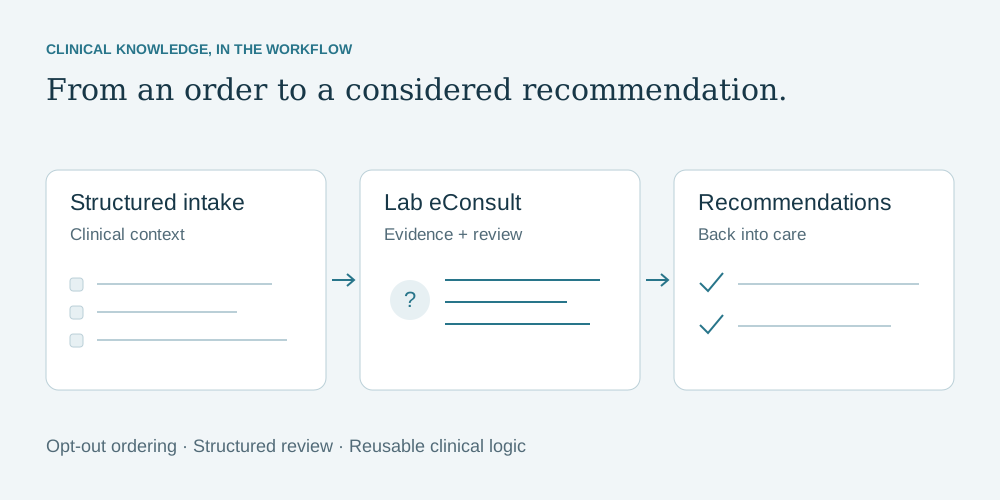
Implemented clinical decision-support and laboratory eConsult service
Clinical knowledge design and Epic-supported consultation workflow
The clinical problem
Iron deficiency and other treatable causes of anemia were underrecognized or inconsistently managed. Traditional specialty referral did not provide a scalable route for every patient who needed structured evaluation.
What I designed
I developed an evidence-based anemia knowledge base and translated its clinical algorithms into an actionable Epic-supported consultation workflow. Structured intake captured pregnancy and preoperative status, iron therapy, comorbidities, and longitudinal laboratory context.
An algorithmic comment library made diagnostic and treatment recommendations reusable within a standardized review process.
How it entered practice
The consultation was embedded into primary-care iron-related ordering as an opt-out default. Laboratory-based review connected the ordering workflow to interpretation and reportable recommendations.
The design brought specialist expertise closer to the initial clinical decision, with an operating model capable of expansion and progressive automation.
What this work demonstrates
Evidence synthesis, knowledge engineering, EHR design, and service delivery are connected tasks. A clinical algorithm becomes useful when it has a reliable route into care and a workable process for review.
From clinical need to institutional action.
These projects connect clinical expertise, usable systems, and accountable decisions—the same concerns that shape my approach to clinical informatics.